When comparing Cab Franc vs Cabernet Sauvignon, many wine drinkers assume the differences are subtle. In reality, these two classic red grapes can produce dramatically different expressions in the glass.
Cab Franc and Cabernet Sauvignon are two of the most important red wine grapes in the world. While they share a genetic connection and often appear in the same blends, their structure, flavor profile, and expression in the glass can be dramatically different. Understanding Cab Franc vs Cabernet Sauvignon helps wine lovers choose the right style for the occasion.
Each type of red wine brings its own flavor profile, complexity, and character to the table. At Majuscule, our focus on Cabernet Franc and Cabernet Sauvignon gives us a unique perspective on how these grapes differ in structure, flavor, and aging potential. While the two grapes might sound similar, they’re not the same. So what is Cab Franc and how does it differ from the ubiquitous Cabernet that everyone knows? Let’s break down the distinctions so you can buy wine online in confidence.
What is Cab Franc?
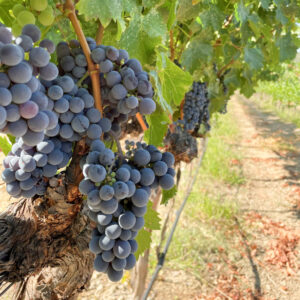
Cab Franc is a red wine grape that grows in the Loire Valley of France and in other regions including the United States, Canada and South America. Did you know that Cab Franc grape is one of the parents of Cabernet Sauvignon, along with Sauvignon Blanc? It’s also one of the five Noble Grapes of Bordeaux: Cabernet Sauvignon, Merlot, Cabernet Franc, Malbec, and Petit Verdot.
While it’s often used to blend with other varietals in Bordeaux-style red wines, Cab Franc makes a stunning single-varietal red wine or a very memorable rosé. We’ve made both styles at Majuscule.
As a red wine, Cab Franc is medium-bodied with moderate tannins. The flavors are defined by a balance of red fruits, herbs and peppery earthiness. It has a medium acidity that makes it refreshingly easy-to-drink and incredibly versatile for pairing with a variety of foods.
What is Cabernet Sauvignon?
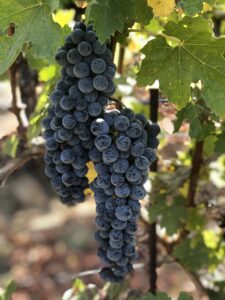
One of the most popular wines in the US and the world is Cabernet Sauvignon. It’s a full-bodied red wine that typically boasts high tannins and robust flavors. Like Cab Franc, it has a dark color and contains notes of dark fruits and tobacco. However, it also has a creamier and spicier finish, with distinct aromas of vanilla, spice, chocolate and oak obtained during the aging process.
In the Napa Valley’s warm climate, the fruit can fully ripen and become full-bodied, whereas it tends to remain smaller and more structured in cooler climates like Bordeaux.
Cab Franc vs Cabernet Sauvignon: Key Differences at a Glance
While they share some similarities, Cab Franc and Cabernet Sauvignon also have a few notable differences. These include:
-
-
Tannin Structure
-
Cabernet Sauvignon: High, firm, age-worthy
-
Cabernet Franc: Moderate, more supple
Body
-
Cabernet Sauvignon: Full-bodied
-
Cabernet Franc: Medium-bodied
Flavor Profile
-
Cabernet Sauvignon: Dark fruit, cassis, oak
-
Cabernet Franc: Red fruit, herbs, floral lift
Aging Potential
-
Cabernet Sauvignon: Often 15–25+ years
-
Cabernet Franc: Typically 10–15 years
-
-
Is Cab Franc lighter than Cabernet Sauvignon?
Cabernet Franc typically has lighter tannins and brighter acidity, making it feel more aromatic and approachable compared to the broader structure of Cabernet Sauvignon.
Is Cab Franc used in Bordeaux blends?
Yes. Cabernet Franc is one of the key grapes in Bordeaux and often contributes aromatic lift and structure to blends.
Which is better for aging?
Both can age beautifully, though Cabernet Sauvignon generally has longer aging potential due to higher tannin concentration.
Taste the Differences
In the showdown between Cab Franc and Cabernet Sauvignon, there isn’t a clear-cut winner. Rather, each stands on its own for many reasons and personal preferences. We recommend trying both side by side to experience the differences and similarities so you can decide. You just might like both equally!
Explore Our Mount Veeder Wines
At Majuscule, we produce Cab Franc and Cabernet Sauvignon from high-elevation vineyards on Mount Veeder in Napa Valley, where cooler temperatures and volcanic soils create wines with structure and freshness.
If you enjoy or want to explore mountain-grown wines from Napa, check out the small-production wines we craft from two high-elevation vineyards on Mount Veeder.
• Our Wines
• Our Story
• Seasonal Tastings & Events
Related Reading:
– Cab Franc for Spring Wine Drinking